
Have you ever wondered why some riders form unbreakable bonds with their Western horses while others struggle to connect? The reality goes beyond just learning horse training techniques; it’s about the depth of equine bonding that can be achieved through trust and understanding. In this article, we will explore how building a strong partnership involves recognizing the unique personality of your horse and fostering a relationship built on care and respect.
Just as horses establish strong bonds within their herds, you too can cultivate an unshakeable relationship with your horse. With commitment and consistency, you’ll discover that understanding these magnificent creatures is key to a harmonious partnership that extends beyond traditional training approaches.
Key Takeaways
- The foundation of a strong partnership is built on trust and effective communication.
- Investing time and effort into understanding your horse’s personality is crucial.
- Groundwork can significantly improve mutual respect and communication.
- Consistency in your approach fosters a deeper bond with your horse.
- Embrace patience and understanding to gain insights into your horse’s needs.
Introduction to Equine Bonding
Equine bonding plays a vital role in forming a strong horse-human relationship. This relationship is cultivated through consistent interaction and mutual understanding. Establishing a meaningful bond with your horse can greatly enhance your overall riding experience, making it not only safer but also more enjoyable.
The journey toward effective equine bonding begins with patience. Allowing your horse to connect with you at their own pace leads to a deeper understanding of their behavior. Engaging in activities like feeding, grooming, and simply spending quality time can significantly strengthen this bond. These interactions promote openness and trust, essential elements in any successful training regimen.
Learning about your horse’s nature and responding to their needs fosters a genuine partnership. Developing this relationship enables both horse and rider to work together harmoniously, resulting in improved performance in various activities such as trail riding, competitions, and even daily routines. If you want to delve deeper into these practices, consider exploring resources on building your bond with a that offer insights into effective communication strategies and trust-building exercises.
Understanding Horse Behavior
Comprehending understanding horse behavior is fundamental in developing a rewarding partnership with your western horse. Horses are highly social animals that rely on horse body language for communication. This intricate language consists of various signals, including ear positioning, tail movements, and facial expressions. By observing these cues, handlers can gain insights into the equine emotions that their horse experiences daily.
A strong bond is often built on the foundation of trust. When a horse feels secure and recognized as part of a leadership team, it becomes more willing to cooperate in training and other activities. Establishing boundaries while demonstrating kindness encourages clear communication between horse and human. Reinforcing these behaviors leads to a harmonious interaction, similar to the relatable dynamics in popular films like My Friend Flicka, Sea Biscuit, and The Black Stallion.
Taking time to engage with a horse strengthens the partner’s role as the leader. Even if you don’t own a horse, bonding with lesson horses requires an openness and understanding of their needs. Spending quality moments with your horse—while maintaining respectful boundaries—fosters an environment of mutual growth and support.
Effective practices such as hand-feeding treats can also play a significant role. While this action can foster closeness, it may inadvertently encourage unwanted behaviors if not approached cautiously. A well-defined structure and consistent boundaries are essential to preventing any sense of entitlement that a horse might develop. The balance between kindness and leadership helps the horse feel cared for and protected, which is crucial for a peaceful and effective relationship.
| Horse Body Language Signals | Meaning |
|---|---|
| Ears Forward | Curiosity or interest |
| Ears Pinched Back | Annoyance or anger |
| Tail Swishing | Frustration or agitation |
| Head Low | Calmness or submission |
| Neck Arched | Excitement or eagerness |
How to Build a Strong Partnership with Your Western Horse
Building a strong partnership with your Western horse requires time, patience, and understanding. Establishing trust in training is critical for creating a reliable relationship that enhances performance in various equine disciplines. Trust reduces anxiety in horses, allowing for better cooperation during training sessions. This bond is nurtured through dedicated efforts that prioritize mutual respect and communication with horses.
The Importance of Trust in Training
Trust forms the foundation for any effective partnership between horse and rider. Horses are sensitive creatures that can easily sense emotions. When handlers remain calm and positive, it influences the horse’s behavior positively. Key trust-building exercises include:
- Reading the horse’s body language to gauge comfort levels.
- Haltering tasks that associate your presence with positive experiences, rather than just work.
- Handling the horse’s feet gently to build confidence in grooming.
These activities promote a sense of security for the horse, which is essential for developing a strong connection. A clear understanding of a horse’s needs and behaviors paves the way for a rewarding partnership.
Effective Communication with Horses
Effective communication goes beyond verbal commands. Horses do not speak, so handlers must learn to interpret their body language to foster understanding. A few communication techniques include:
- Using calm voices and gentle body language to convey messages.
- Engaging in touch exercises like grooming to help horses get accustomed to physical contact and alleviate fears.
- Spending quality time in a relaxed atmosphere, enhancing the bond when outdoor conditions are unsuitable for riding.
By focusing on communication, handlers can establish themselves as a trusted leader, encouraging mutual respect throughout the partnership. Creating a comforting environment helps in achieving long-term success in building a relationship with your Western horse.
Trust-Building Exercises
Trust-building exercises play a critical role in forming a deep connection between you and your horse. Establishing trust can mitigate issues of distrust that often manifest as bracing, resisting, or even running away. A collaborative approach leads to a more fulfilling partnership. Implementing effective strategies is essential for overcoming these common trust deficits.
Desensitization Techniques
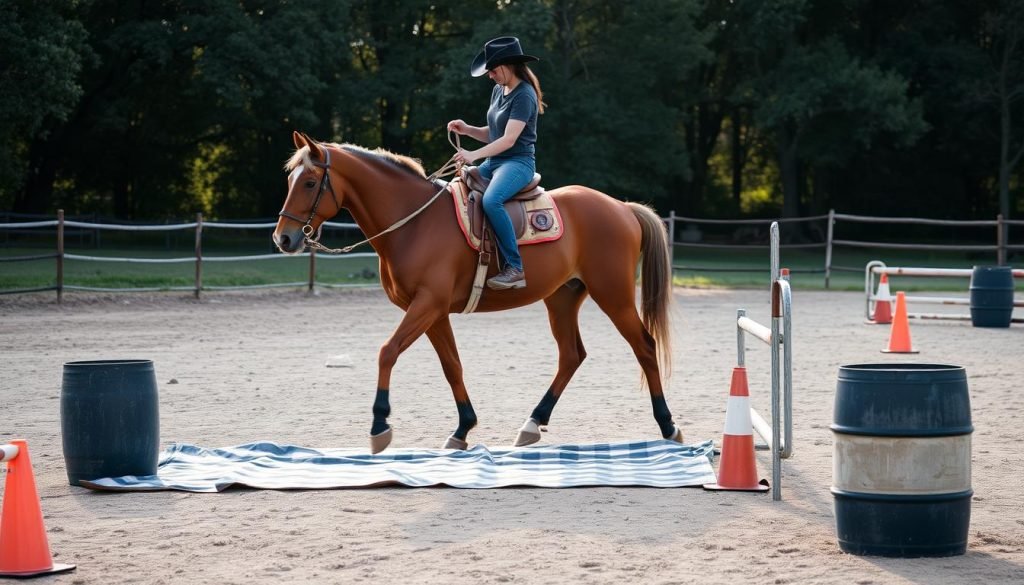
Desensitization techniques serve as a cornerstone in trust-building. These methods involve gradually exposing your horse to various stimuli at a pace that respects their comfort level. Start with low-stress situations, allowing your horse to explore and respond. With consistent practice, horses become less reactive, fostering a sense of security during training. This gradual exposure not only reduces unwanted behaviors but also helps create a more harmonious interaction between horse and handler.
Positive Reinforcement Training
Using positive reinforcement training can further enhance trust. Rewarding your horse with treats or verbal praise for desired behaviors reinforces good habits. This method is crucial in establishing a positive feedback loop, encouraging your horse to cooperate willingly. Consistent application of positive reinforcement helps to build a trusting environment, where your horse feels appreciated and valued. Regular engagement in both trust-building exercises and positive reinforcement techniques creates a safe space that nurtures a deep-rooted relationship.
| Trust-Building Techniques | Description | Benefits |
|---|---|---|
| Desensitization Techniques | Gradually exposing horses to various stimuli to reduce reactivity. | Promotes calmness and encourages exploration. |
| Positive Reinforcement Training | Using rewards to reinforce desired behaviors. | Increases horses’ willingness to learn, fostering trust. |
| Self-Reflection | Identifying personal weaknesses in handling. | Enhances mutual understanding for better bonding. |
| Establishing Boundaries | Maintaining clear boundaries for respectful interaction. | Creates a sense of safety and stability. |
| Seeking Feedback | Getting lessons and critiques from peers or instructors. | Informs techniques and helps improve trust-building efforts. |
Spending Quality Time with Your Horse
Establishing a meaningful bond with your horse involves various activities that enable connection and understanding. Spending quality time together is fundamental for building trust and emotional ties. Whether through grooming or casual interaction, these moments foster a heightened relationship.
Grooming and Touch Exercises
Engaging in grooming and touch exercises is vital for both physical health and emotional bonding. Regular grooming not only keeps your horse clean but also serves as a unique opportunity for tactile interaction. It helps the horse grow accustomed to personal contact, enhancing comfort and familiarity. Approaching these exercises with patience can significantly strengthen the relationship.
Casual Interaction: Bonding Beyond Training
Incorporating casual interaction into your routine can deepen the bond between you and your horse. Activities such as hand grazing or just spending time in the same space without structured plans allow for a more relaxed connection. These non-training moments are essential as they showcase your investment in the relationship, illustrating the importance of connecting beyond traditional methods. For further insights on building a relationship with your equine partner, consider exploring additional resources.
Communication Techniques for Horse-Human Relationships
Effective communication techniques play a crucial role in establishing a solid horse-human relationship. Horses primarily express themselves through body language, vocalizations, and even scent. Understanding these signals enhances the bond between you and your horse, paving the way for smoother interactions.
Observing your horse’s posture, ear position, and tail movements can offer insights into their feelings. For instance, a relaxed horse may stand with a lowered head and soft eyes, whereas an anxious horse may exhibit tense muscles and pinned ears. By becoming attuned to these behaviors, you can respond appropriately, fostering trust and cooperation.
Maintaining a calm demeanor during interactions creates a safe atmosphere. Horses can easily sense human emotions, making it essential to approach them with confidence and patience. Communication techniques such as using a soft voice, gentle cues, and timely reactions encourage positive responses from your horse. This leads to an increased willingness to engage, resulting in a deeper emotional connection.
- Active Listening: Pay attention to your horse’s cues and adjust your approach based on their responses.
- Consistent Cues: Use the same signals for specific behaviors to avoid confusion.
- Positive Reinforcement: Rewarding desired behaviors strengthens the bond and motivates your horse.
- Empathy: Understanding your horse’s mood helps tailor your communication efforts.
By mastering these communication techniques, you create a well-rounded relationship that not only enhances riding performance but also contributes to the overall well-being of your horse. The journey toward a harmonious partnership begins with effective communication.
Building Confidence in Your Horse
Building confidence in your horse represents a foundation for a thriving partnership. Essential to this process is the creation of a positive learning environment that enhances the horse’s experience and growth. This environment prioritizes patience and encouragement, recognizing even the smallest milestones as successes. As the horse begins to trust you, its confidence flourishes.
How to Promote a Positive Learning Environment
To cultivate a positive learning environment, begin by identifying your personal ‘why’ for engaging with your horse. This motivation will act as a guiding light, especially during challenging moments. Visualizing your goals and creating reminders can reinforce this purpose. Celebrating progress, regardless of size, fosters an uplifting atmosphere that encourages trust and security. A systematic approach to training, devoid of fear and pain, allows the horse to feel safe, ultimately enhancing its confidence.
The Role of Consistency in Bonding
Consistency in bonding emerges as pivotal for building confidence. Establishing predictable patterns during training and interaction reinforces security for your horse. A reliable approach to cues and routines paves the way for your horse to understand expectations, making it easier to engage and learn. By maintaining this consistency, you cultivate a deeper connection, ensuring that your horse feels reassured. Through dedication and persistence, both you and your horse can thrive together.
Challenges in Building Relationships with Horses
Establishing a strong bond with horses often presents challenges in building relationships. Understanding each horse’s unique needs is essential for navigating these obstacles. Early experiences play a significant role in how a horse interacts, as imprinted horses tend to bond more readily, while previously spoiled horses can present unexpected barriers. Recognizing these behaviors can aid owners in addressing fear and anxieties effectively.
Addressing Fear and Anxieties
Fear and anxiety can significantly hinder relationship-building with horses. Identifying triggers and employing desensitization techniques will help calm anxious horses. Owners should also consider using a gentle tone of voice during interactions, as this approach often yields better results than direct commands. By fostering a safe environment, owners can assist their horses in overcoming emotional hurdles, ultimately leading to a deeper connection.
Handling Horses with Difficult Personalities
Every horse possesses a distinct personality, and some may exhibit challenging traits. Patience and customized training methods are vital for handling horses with difficult personalities. Establishing boundaries and demonstrating consistency can reinforce a sense of leadership that many horses instinctively seek. Building trust in such cases may take weeks or months, yet embracing these challenges can foster rewarding experiences and robust partnerships between horse and owner.
Creating a Routine for Effective Care
Establishing a structured routine plays a crucial role in providing effective care for your horse. A well-organized schedule not only includes essential tasks like feeding, grooming, and training but also prioritizes recreational activities. This comprehensive approach ensures your horse experiences both work and play, fostering a positive relationship between the two.
The Balance Between Work and Play
Finding the right balance between work and play is vital for the overall well-being of your horse. Incorporating playtime into your daily routine allows your horse to release energy, which contributes positively to its mental health and physical fitness. A consistent routine filled with engaging activities helps maintain your horse’s enthusiasm for training and care. Below are some practical strategies:
- Set a daily schedule: Create a timetable for grooming, feeding, and training sessions that incorporates time for play.
- Include variety: Rotate activities to keep your horse mentally stimulated and physically engaged, such as doing groundwork one day and riding the next.
- Encourage exploration: Allow your horse the freedom to explore its surroundings during playtime, promoting confidence and curiosity.
By actively managing the routine, you can help your horse navigate the challenges of competitive environments. Riders often struggle with maintaining a connection during competitions, leading to stress and anxiety. A pre-competition routine can help regulate emotions and focus attention, enhancing performance under pressure.
Horsemanship Fundamentals for a Strong Partnership
Understanding horsemanship fundamentals plays a crucial role in establishing a strong partnership with your Western horse. The journey begins with recognizing the importance of foundational skills such as groundwork, lungeing, and basic riding techniques. These practices not only facilitate communication but also foster trust between horse and handler.
The Clinton Anderson Downunder Horsemanship Method outlines a structured, step-by-step approach to training. Each exercise follows a logical progression, designed to be mastered before moving on to the next. This meticulous process has proven effective across various breeds, including Arabians and rescue horses often challenged by difficult behavior.
Many horse owners may seek quick fixes through free online resources instead of investing time in learning the Method thoroughly. This rush often leads to inadequate understanding and can result in negative training outcomes. Adopting the horsemanship fundamentals taught in Anderson’s original video series allows handlers to develop patience and consistency, paving the way for effective and safe training.
Application of these methods requires a keen awareness of each horse’s physical, mental, and emotional state. A personalized approach, as advocated by Anderson, ensures that training techniques are adjusted according to the unique needs of the horse. By focusing on horsemanship fundamentals, handlers can create a relationship built on respect, trust, and mutual understanding.
Incorporating Groundwork for Bonding
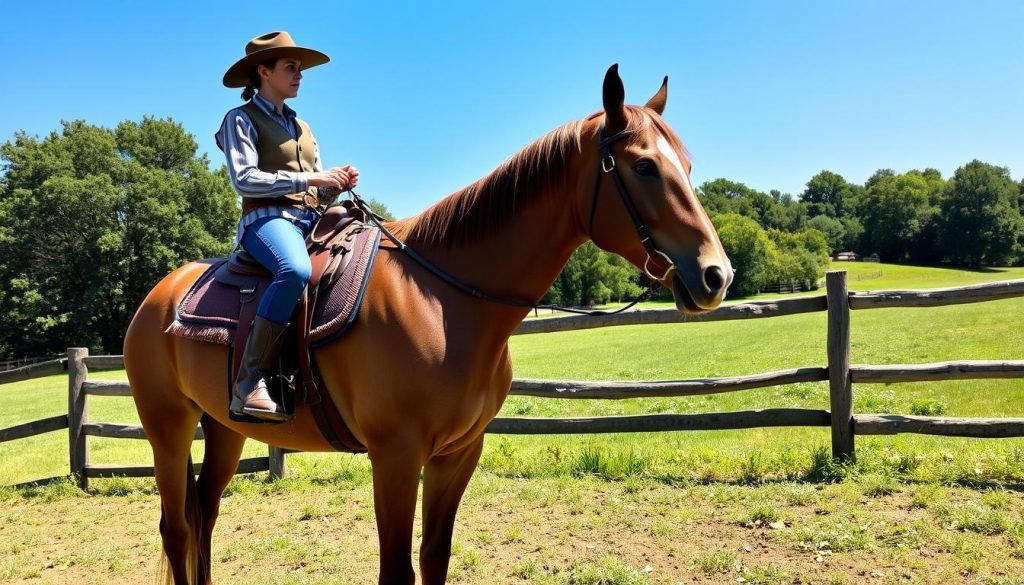
Successful horsemanship involves integrating various training techniques to cultivate a strong partnership. Incorporating groundwork into your routine lays a foundation for effective communication and trust between horse and handler. This foundational layer enhances the emotional bond and introduces vital skills that can be utilized under saddle.
Benefits of Groundwork Exercises
Engaging in groundwork exercises yields numerous advantages, including:
- Increased responsiveness: Horses become more attuned to commands and body language, which fosters a deeper understanding.
- Trust development: Stable relationships improve when groundwork builds a sense of discipline and respect.
- Enhanced training retention: Horses generally require around 60 repetitions to grasp new exercises effectively.
- Positive reinforcement: Clicker training effectively promotes desirable behaviors through the association of a click sound with treats.
Groundwork vs. Riding: Finding the Right Balance
Striking a balance between groundwork and riding is essential. While riding tests a horse’s learning and adaptability, groundwork strengthens communication and behavioral understanding. Integrating circles and targeting exercises engages the horse’s mind and body effectively.
Different training activities should emphasize holistic development, ensuring horses remain interested and stimulated. A ratio of traditional play methods to innovative techniques can contribute to creative training approaches. Incorporating exercises like leading and lunging as part of groundwork provides varied interaction, maintaining the horse’s focus while preparing for ridden work.
Conclusion
In conclusion, building strong partnerships with your Western horse is a rewarding journey that requires a blend of understanding, trust, and effective communication. Each interaction plays a pivotal role in enhancing equine bonding, establishing a lasting connection that significantly benefits both horse and handler. Through proper handling techniques, grooming rituals, and patience, you can cultivate an environment where your horse feels safe and engaged.
The insights gathered from organizations like PATH International and centers such as Pine Hill Ranch highlight the importance of structured routines and horse etiquette in fostering respectful relationships. By emphasizing ongoing learning and the mastery of horsemanship skills, you not only ensure the safety and well-being of your horse but also enrich the overall partnership. This dedication to growth will transform your experiences together, making every moment spent fostering mutual understanding more fulfilling.
Ultimately, the path to stronger equine partnerships lies in the consistent practice of kindness and respect. When both horse and human thrive together, the journey becomes not just about training but about forming a unique connection that celebrates the beauty of equine companionship. As you reflect on these principles, remember that each experience helps shape your bond, leading to a more rewarding and enriching partnership.
FAQ
What is equine bonding and why is it important?
Equine bonding refers to the relationship formed between a horse and its handler through consistent interaction and mutual understanding. It is important because it enhances the riding experience, encourages openness, and helps in training success.
How can I build trust with my Western horse?
Building trust requires patience and understanding. You can use trust-building exercises, such as desensitization techniques and positive reinforcement training, to help your horse feel secure and confident during interactions.
What are some effective communication techniques for working with horses?
Effective communication techniques include understanding horse body language, maintaining a calm demeanor, using a soft voice, and employing gentle cues. These approaches create an environment of safety and trust that fosters a stronger horse-human relationship.
Why is understanding horse behavior crucial for partnership?
Understanding horse behavior is foundational for building a strong partnership as it allows handlers to recognize how their horses convey emotions like fear, anxiety, or trust, enabling appropriate responses that nurture the bond between horse and handler.
How can spending quality time with my horse enhance our bond?
Spending quality time through activities like grooming and casual interactions promotes bonding. These non-structured activities allow for physical connection and familiarity, which greatly enhance trust and emotional connections between you and your horse.
What role does consistency play in building a partnership with my horse?
Consistency in training routines, expectations, and cues fosters a sense of security for horses. It helps in establishing trust, which is pivotal for nurturing a strong bond and ensuring cooperative behaviors during training.
How can I address my horse’s fear or anxiety?
You can address fear or anxiety by recognizing triggers and applying desensitization techniques. Gradually exposing your horse to different stimuli while remaining patient and encouraging can help alleviate its fears.
What are some challenges I might face while building a relationship with my horse?
Challenges may include dealing with fear and anxiety in horses, as well as handling those with difficult personalities. Understanding their individual quirks enables customized approaches that can transform challenges into opportunities for deepening your bond.
Why should I incorporate groundwork into my training routine?
Incorporating groundwork into your routine allows for deeper bonding experiences outside of riding. It improves your horse’s responsiveness to commands, reinforces communication, and ensures that both mind and body are engaged.
How does positive reinforcement training strengthen the bond with my horse?
Positive reinforcement training encourages desired behaviors through rewards such as treats or verbal praise. This approach not only increases cooperation but also fosters a supportive training environment that enhances the bond between you and your horse.