
Have you ever wondered how the right pair of Western riding boots can transform your equestrian experience? Selecting the ideal boots goes beyond mere fashion; it encompasses comfort, safety, and performance. In this guide, we will explore the essential factors you need to consider when choosing your equestrian footwear, from riding discipline to styles and materials. Whether you’re gearing up for a competitive event or enjoying a leisurely trail ride, understanding how to choose the right Western riding boots is crucial for enhancing your riding experience.
With options from traditional cowboy boots to modern Western work boots, picking the right pair can feel overwhelming. This comprehensive guide will provide you with valuable insights to ensure you find the boots that are tailored to your needs. For more expert tips on this topic, don’t miss checking out this resource on Western horseback riding boots.
Key Takeaways
- Select boots that align with your riding discipline for optimal performance.
- Consider the material; full-grain leather offers durability and comfort.
- Different boot styles, such as cowboy boots and roper boots, serve distinct purposes.
- Proper fit is essential—measure your foot and try on multiple sizes.
- Prioritize safety features like stirrup compatibility and traction for a secure ride.
Understanding the Importance of Western Riding Boots
Western riding shoes serve a vital function beyond mere fashion. These boots play a crucial role in enhancing riding performance and ensuring the safety of riders. The tall shaft offers necessary support and helps shield the lower legs from potential injury. A defining feature of these boots is the cowboy heel, designed specifically to keep feet securely in the stirrups, thus reducing the risk of slipping off during intense activities.
Choosing the right pair of Western riding boots can significantly contribute to improved stability and riding posture. For example, the construction methods, such as Goodyear welt and hand-stitching, showcase the boot significance in terms of both durability and aesthetics. The careful design of these boots ensures that they adapt to the varying needs of riders, whether they are roping, trail riding, or participating in competitive events.
Understanding the importance of construction materials is essential as well. With options ranging from traditional cowhide leather to exotic leathers like ostrich and alligator, riders can find boots that not only meet aesthetic preferences but also enhance riding performance. Ultimately, the correct footwear is an invaluable investment for anyone engaging in Western riding.
Factors to Consider When Buying Western Riding Boots
When contemplating a boot purchase, understanding the essential factors can greatly influence your choice of riding boots. Start by evaluating the activities in which you will engage. Different riding styles necessitate specific features in equestrian footwear. For instance, serious competitors may require more specialized designs compared to casual riders.
One crucial aspect to consider is heel height. A strong, angled heel provides better traction, enhancing stability and comfort while riding. Likewise, the toe shape plays a significant role. Options such as pointed, round, medium, or square toes offer various benefits, influencing everything from comfort to style preference.
In addition, boot height impacts both safety and mobility. Boots that are too short may not adequately protect your legs, while excessively tall designs could restrict movement. Traditional Western boots, often made from high-quality leather, are renowned for their durability and comfort, featuring high shafts and distinctive pointed toes.
Another important consideration is the fit of your boots. Measuring your foot accurately and trying on boots with the socks you plan to wear while riding ensures optimal comfort. Custom fitting options are available that adapt to different foot shapes, accommodating narrow or wide feet.
Modern designs may offer personalized features, including color choices and waterproof membranes, allowing riders to choose boots that truly fit their style and needs. By bringing together all these factors, finding the perfect pair of Western riding boots becomes a manageable task.
How to Choose the Right Western Riding Boots
Selecting the perfect Western riding boots involves understanding various factors tailored to individual needs. A key factor is your specific riding discipline, which shapes the requirements for footwear. Boots intended for competition may differ significantly from those meant for recreational trail rides.
Riding Discipline
Your riding discipline directly influences the type of boots you should consider. For example, if you participate in barrel racing, a slim fit and a snug heel height can enhance performance and safety. Conversely, those who enjoy leisurely trail riding may prioritize comfort and support.
Heel Height and Stability
The heel height of Western riding boots plays a vital role in ensuring stability in the stirrups. A heel height of around 1.5 inches is often recommended to prevent slipping, providing the necessary security while riding. Paying attention to the design can affect not only ride quality but also overall comfort during longer periods in the saddle.
Toe Shape and Comfort
Choosing the right toe shape can enhance comfort while riding. Options include pointed, round, and square toe shapes, each offering distinct benefits. Riders should try on different styles to find what feels best for their individual foot shape, as comfort can significantly impact overall riding experience.
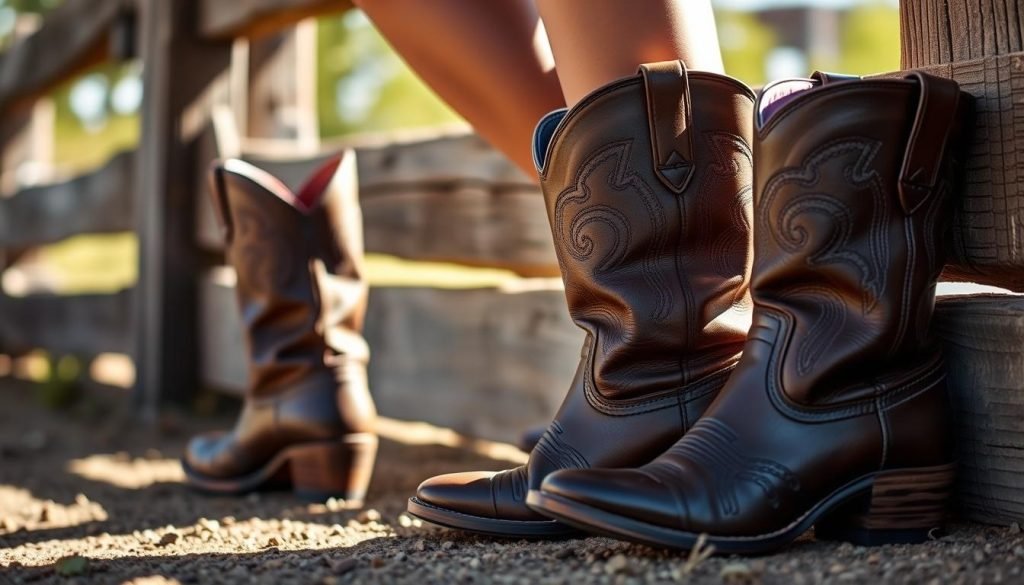
Materials Used in Western Riding Boots
Choosing the right materials is crucial for your Western riding boots, affecting both performance and durability. Materials like leather and synthetic options each provide unique benefits. Knowing how to differentiate between quality leather and modern synthetic boots can enhance your riding experience.
Quality Leather vs. Synthetic Options
High-quality leather is a classic choice for Western boots, preferred for its strength and ability to mold to the wearer’s foot over time. Full-grain leather, in particular, showcases the natural imperfections that give each pair its unique character. Synthetic boots are gaining popularity due to advancements in technology. They offer comparable durability and tend to be lighter, making them suitable for those who prioritize ease of movement.
People interested in purchasing either option can explore various boot materials. The choice between leather and synthetic will ultimately depend on personal preferences and intended use.
Durability and Maintenance
Both leather and synthetic boots require proper maintenance to maximize their lifespan. Leather boots benefit from regular conditioning to maintain softness and prevent cracking. It’s crucial to clean them using gentle products designed for leather. On the other hand, synthetic materials usually require less intensive care; wiping them down with a damp cloth often suffices.
Investing time in maintenance ensures your boots remain functional and stylish for years. Proper care is an investment that will pay off, allowing both leather and synthetic options to withstand various conditions encountered while riding.
Boot Styles and Their Features
Western riding boots come in various styles, each tailored for specific activities and preferences. Understanding the distinct features of these boot styles can help individuals select the perfect pair for their needs.
Cowboy Boots
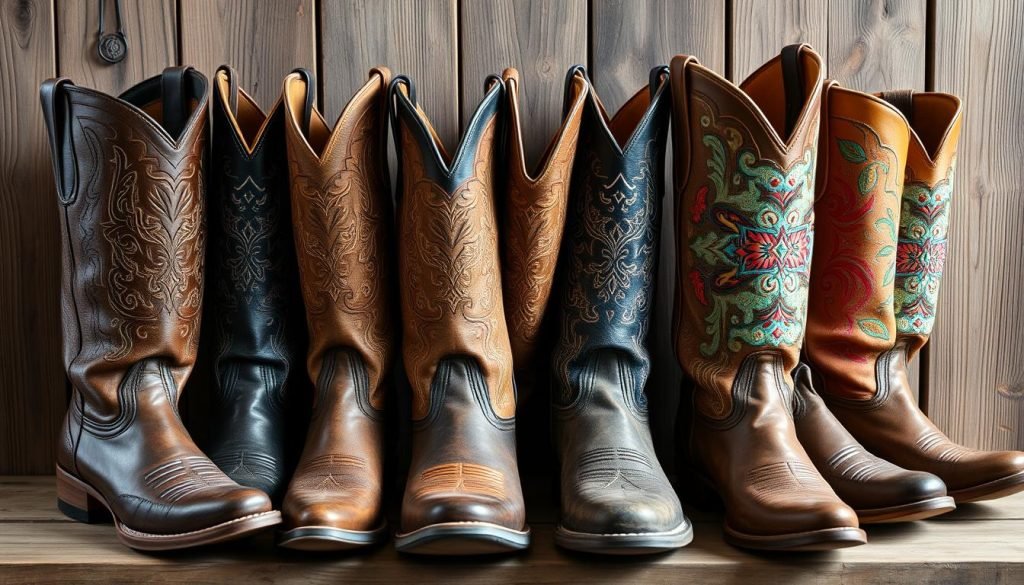
Cowboy boots are a staple of Western fashion, typically featuring high shafts that range from 10 to 14 inches. These boots are not just functional; they represent superb craftsmanship known throughout the USA. A wide array of toe shapes—ranging from thin-toe to rounded or box-toe—adds to their appeal. Modern iterations include ankle-high options and even knee-high designs, allowing for versatile styling. Pairing cowboy boots with jeans and a simple t-shirt creates a classic look, while wearing them with shorts can yield a chic ensemble. For women, cowgirl boots offer numerous styling opportunities, making them suitable for flowing maxi skirts, mini skirts, and more.
Roper Boots
Roper boots, designed for practicality, feature shorter shafts and heels, offering enhanced comfort for those spending extended hours in the saddle. Originating from traditional Western boots, their lower height enhances mobility and ease of wear. They are particularly ideal for activities like roping cattle and ensure a comfortable experience while riding or walking.
Western Work Boots
For strenuous outdoor activities, Western work boots stand out due to their durability and support. These boots often incorporate features like thick rubber outsoles, providing superior grip during farm work. Some designs come with steel reinforcement, ensuring protection in high-risk environments. While traditional cowboy styles deliver a unique aesthetic, work boots prioritize functionality and safety, making them the preferred choice for ranchers and outdoor laborers.
| Boot Style | Features | Best For |
|---|---|---|
| Cowboy Boots | High shaft, various toe shapes | Fashion, casual wear |
| Roper Boots | Shorter shaft, comfortable design | Riding and roping activities |
| Western Work Boots | Thick rubber soles, steel reinforcement | Outdoor labor, durability |
Fit and Sizing Tips for Western Riding Boots
Achieving the perfect boot fit is essential for comfort and efficiency in your riding experience. Proper sizing and fitting techniques can prevent discomfort and ensure better performance while riding. Start with accurate foot measurements and make sure to try on various styles to find your ideal fit.
Measuring Your Foot
Begin by measuring your foot to guide you in selecting the right size and width. Using the Brannock device is highly recommended for precise foot measurement. Follow these sizing tips when measuring:
- Wear the type of socks you’ll use during riding for a more accurate reading.
- Measure the foot from the longest toe to the heel.
- Measure the width at the ball of the foot.
This information helps determine the correct boot size. Keep in mind, varied toe shapes such as pointed, round, medium, or square toes will influence fit as well.
Trying on Boots for Fit
Once you have your measurements, it’s crucial to try on boots for the proper fit. Look for these key factors:
- Ensure the toe box has enough space, ideally one thumb width between your toe and the boot’s end.
- Check that the widest part of your foot aligns with the widest part of the boot’s outsole.
- Your heel should fit snugly against the back of the boot without slipping.
Walking around in the boots will help confirm comfort and fit. Pay attention to the boot’s resistance point in the arch area, which should feel snug to clearly gauge heel lift. Remember, wearing different thicknesses of socks can influence the boot fit, so adjust accordingly.
| Toe Shape | Characteristics |
|---|---|
| Pointed Toe | Classic look, elongates the leg. |
| Round Toe | More space in the toe box for comfort. |
| Square Toe | Offers a more modern appearance, extra room. |
| R Toe | Medium width, good for average feet. |
| J Toe | Very spacious, great for wider feet. |
Essential Safety Features of Western Riding Boots
When indulging in the world of Western riding, safety must always be at the forefront. Selecting boots with specific safety features not only enhances performance but also ensures protection against potential hazards. Below are critical aspects to consider regarding safety in Western riding boots.
Stirrup Compatibility and Traction
Boot traction plays a vital role in maintaining stability and safety while riding. Properly designed boots should fit snugly in stirrups, preventing the possibility of getting stuck during use. Quality Western boots offer superior grip, reducing the chances of slipping when dismounting or maneuvering around the horse. Riders engaging in high-intensity disciplines, like barrel racing or cutting, especially benefit from enhanced boot traction. This feature provides the necessary support to stay secure in the saddle, ensuring confidence during fast-paced activities.
Waterproofing and Weather Resistance
Choosing waterproofing in Western riding boots is essential for comfort and protection against unpredictable weather. Waterproof or weather-resistant materials keep feet dry, adding an extra layer of safety during outdoor activities. This is crucial on trails or at the ranch, where mud and moisture can present challenges. Having boots that resist water not only enhances comfort but also contributes to the longevity of the footwear, allowing riders to focus on their performance rather than their gear.
| Safety Feature | Description | Benefits |
|---|---|---|
| Stirrup Compatibility | Boots that fit well in stirrups | Prevents getting stuck while riding |
| Boot Traction | Enhanced grip to reduce slipping | Improves stability and confidence during riding |
| Waterproofing | Water-resistant materials | Keeps feet dry in wet conditions |
| Weather Resistance | Protection against various weather elements | Increases durability and comfort |
Investing in Western riding boots that encompass these safety features ensures not just enhanced performance but also a safer riding experience. Prioritizing these elements will allow riders to enjoy their passion while minimizing risks.
Boot Care and Maintenance Techniques
Proper boot care is essential for maximizing the performance and longevity of your Western riding boots. Undertaking routine cleaning and conditioning practices keeps your boots looking great while ensuring they remain functional for riding adventures. Adapting your maintenance techniques to the boot material and how frequently you ride is vital for effective care.
Cleaning Practices
Regular cleaning of riding boots is recommended for all riders, regardless of experience level. To maintain smooth leather, remove dirt, scratches, and creases after each session. Suitable cleaning techniques for leather boots include:
- Using water and glycerine soap to gently clean the surface.
- Applying leather grease or oil to nourish the material.
- Polishing with a dry cloth to enhance shine and protect against dirt.
For rubber or plastic boots, scrub using a brush and glycerine soap. Rinse thoroughly and apply oil for shine and dirt resistance. Adhering to these specific cleaning protocols will help preserve the waterproofing and breathability of your boots.
Conditioning Leather Boots
Leather conditioning plays a crucial role in preserving the suppleness of your boots. It is advisable to condition leather riding boots every three to six months, or more frequently if exposed to harsh elements. Look out for signs of dry leather, such as blotchy colors or uneven textures, as these indicate a need for immediate care. Regular conditioning protects against cracking and ensures comfort and support during horseback activities.
Proper storage also contributes to boot care; place cowboy boots in a cool, dry area away from moisture. By following these cleaning and conditioning steps, you can keep your boots in optimal condition, ready for any riding adventure to come.
Conclusion
In summary, a comprehensive Western riding boots guide can significantly aid in your selection of the ideal pair. When choosing riding boots, it’s essential to consider various factors, including style, fit, materials, and safety features. This detailed understanding ensures that you invest in boots that optimize comfort and performance, thus enhancing your overall riding experience.
Whether you’re navigating the competitive arena or enjoying a peaceful ride through the countryside, the right pair of boots plays a crucial role in supporting your equestrian journey. From traditional cowboy boots with their rich history to modern synthetic options that offer ease of maintenance, the choices are diverse and tailored to meet every rider’s needs.
Ultimately, investing time in understanding how to choose riding boots will pay off, enabling you to find a pair that not only meets your functional requirements but also expresses your personal style. Enjoy your riding adventures with confidence and comfort by selecting the boots that are right for you!
FAQ
What should I consider when choosing Western riding boots?
It’s important to consider your riding discipline, boot materials, heel height, toe shape, and fit to ensure comfort and safety while riding.
How do I measure my foot for Western riding boots?
Use a Brannock device for accurate sizing and measure your foot while wearing the socks you plan to wear while riding.
What materials are best for Western riding boots?
High-quality leather is a traditional favorite for its durability and comfort, while synthetic options are eco-friendly and also offer good durability.
What are the different styles of Western riding boots?
Common styles include cowboy boots, which offer classic Western aesthetics, roper boots for comfort during long rides, and Western work boots for durability in outdoor tasks.
Is heel height important in Western riding boots?
Yes, heel height is crucial; a recommended height of around 1.5 inches helps prevent slipping from stirrups and provides stability.
How do I ensure my boots fit properly?
Try on boots while wearing riding socks to check for ample room in the toe box, ensuring the heel sits snugly against the back of the boot.
What are some essential safety features of Western riding boots?
Look for features like stirrup compatibility to prevent foot trapping, non-slip soles for better traction, and waterproofing to keep feet dry.
How can I maintain my Western riding boots?
Regularly clean your boots with a soft brush or damp cloth and condition leather boots monthly to keep them supple and prevent cracking.
Why is boot care important for Western riding boots?
Proper maintenance prolongs the lifespan of your boots, ensuring they remain functional and comfortable for many rides to come.