What if the vibrant culture of Western riding could be more than just a nostalgic representation of cowboy life, but also a pivotal force in modern equestrian sports? The Western Riding Association is at the forefront of this transformation, working tirelessly to elevate the standards and resources available to riders, trainers, and enthusiasts. By creatively blending traditional Western disciplines with contemporary practices, the association plays a crucial role in promoting equestrian culture while fostering inclusiveness across various horseback riding styles.
With ambitions to expand the reach and appeal of equestrian sports, the Western Riding Association is not just about competitions; it’s about building a community that honors cowboy traditions while embracing innovative educational opportunities. Discover how this organization is making strides and why its mission to advance equestrian sports is essential for the sport’s future.
Key Takeaways
- The Western Riding Association aims to foster a supportive community in equestrian sports.
- Modern practices are integrated with traditional Western riding techniques.
- Educational programs aim to enhance rider and trainer skills.
- Inclusivity is emphasized, making Western riding accessible to a broader audience.
- The association is dedicated to the preservation of cowboy culture.
- Competitive events provide opportunities for growth and camaraderie among participants.
The Role of the Western Riding Association in Promoting the Sport
The Western Riding Association plays a crucial part in enhancing the visibility and growth of equestrian events across various regions. Through its strategic organization of competitions and educational programs, it aims to create a supportive environment for riders, trainers, and horse owners. This network fosters community ties while promoting skills and artistry in Western riding.
Introduction to the Western Riding Association
Founded to connect enthusiasts of the equestrian world, the Western Riding Association focuses on expanding participation in the sport. Core to its mission is the cultivation of talent through formal events and competitions, ensuring that individuals of all skill levels have opportunities to showcase their abilities. The organization emphasizes the importance of community involvement and the sharing of knowledge among its members.
Key Events and Competitions
Key competitions organized by the Western Riding Association serve to highlight the artistry of horsemanship. Events such as Ranch Riding, which is growing rapidly in states like Maryland, showcase diverse skills and disciplines. Specific organizations like the East Coast Ranch Riding Association (ECRRA) provide structured competitions featuring classes that welcome a variety of horse breeds while recognizing the achievements of participants through awards. Noteworthy disciplines represented include:
- Ranch Horse In Hand
- Ranch Pleasure
- Ranch Riding
- Ranch Trail
- Ranch Round Up
Throughout these events, the Western Riding Association solidifies its role in the equestrian community, fostering a sense of achievement and camaraderie among riders. The promotion of key competitions supports the development of standards and encourages riders to aspire for excellence in their respective disciplines.
| Event | Location | Classes | Awards |
|---|---|---|---|
| Ranch Riding | Maryland | Ranch Horse In Hand, Ranch Pleasure | Lifetime Awards, Superior Champion Award |
| ECRRA Competition | Region 3 (including Maryland) | Ranch Trail, Ranch Round Up | Days End Awards |
Understanding Western Dressage
Western Dressage blends the timeless techniques of classical dressage with the distinct style of Western riding. This integration nurtures a partnership focused on the horse’s natural movement. Riders learn to enhance responsiveness and establish a connection with their horses through effective communication. Key elements of Western Dressage include developing a horse’s hindquarter engagement, maintaining a supple topline, and applying precise aids.
Principles and Techniques of Western Dressage
The principles and techniques of Western Dressage revolve around respecting the horse’s innate abilities while refining their skills. Major components include:
- Effective Aids: Riders learn to use their body as a communication tool, ensuring clarity in their cues.
- Deep Engagement: Emphasizing strong hindquarters engages the horse’s muscles effectively.
- Fluid Transitions: Smooth transitions become a hallmark of skilled Western Dressage.
| Level | Movements Included |
|---|---|
| Level One | Basic walk, trot, and simple transitions |
| Level Two | Introduction of lateral movements and circles |
| Level Three | Advanced transitions and introductory collection |
| Level Four | Complex movements like pirouettes and flying changes |
Benefits of Integrating Classical Dressage Principles
Integrating classical dressage principles within Western Dressage not only elevates the horse’s performance but also enriches the rider’s experience. Benefits include:
- Increased agility and responsiveness of the horse
- Enhanced rider confidence and control
- A stronger bond between horse and rider, leading to a joyful riding experience
The adaptable nature of Western Dressage makes it suitable for riders of all levels, fostering a welcoming environment for both novice and experienced equestrians. The discipline encourages riders to progress at their own pace while enjoying the harmonious relationship that Western Dressage promotes.
Horse Show Competitions: A Platform for Growth
Horse show competitions play a vital role in developing equestrians of all skill levels. These events operate under a well-defined competition structure, allowing riders to gain experience and showcase their talents. From beginner riders to seasoned competitors, every participant receives a chance to grow and excel in their riding journey.
Structure of Competitions
The organization behind horse show competitions is intricate. A planning committee ensures every aspect is executed flawlessly, covering everything from venue selection to scheduling. Two months before the event, an inventory checklist is drafted, and accommodations for judges and staff are arranged. The week leading up to the show involves essential preparations, such as course setup and final inventory checks. Event day requires early arrivals, thorough preparations, and effective coordination among various staff roles, including farriers and ring stewards.
Judging and Feedback Mechanisms
Judging feedback serves as an essential tool for riders, providing insights into performance. Judges assess various elements such as precision, style, and teamwork. This structured feedback helps competitors understand their strengths and areas needing improvement. Organizations like the National Reining Horse Association (NRHA) emphasize a detailed judging process, maintaining a database of statistics to support rider development. Each event promotes progression through different levels, encouraging both serious competitors and novices to engage actively in the sport. For insights into Western Dressage and further growth opportunities, visit this link.
Rodeo Events and Their Significance
Rodeo events represent a dynamic celebration of cowboy culture and heritage, providing insights into the rich traditions that define the significance of rodeo in American society. This sport serves not only as entertainment but also as a means of preserving the cultural heritage that has played a crucial role in shaping regional identities across the nation.
Rodeo as a Cultural Heritage
The traditions associated with rodeo have deep historical roots in North America. The gatherings for rodeo events reflect more than just competition; they embody the values, skills, and stories of the American West. Events like bull riding and roping highlight the remarkable partnership between horse and rider, showcasing the bravery and expertise required in each performance.
Rodeo events have evolved into vibrant community festivals, fostering regional pride while promoting cultural heritage. Iconic events such as the Calgary Stampede and the Pendleton Round-Up have become landmarks of American culture, attracting thousands of participants and spectators annually. The significance of rodeo lies in its role as a platform for storytelling, bringing to life the struggles and triumphs of working cowboys throughout history.
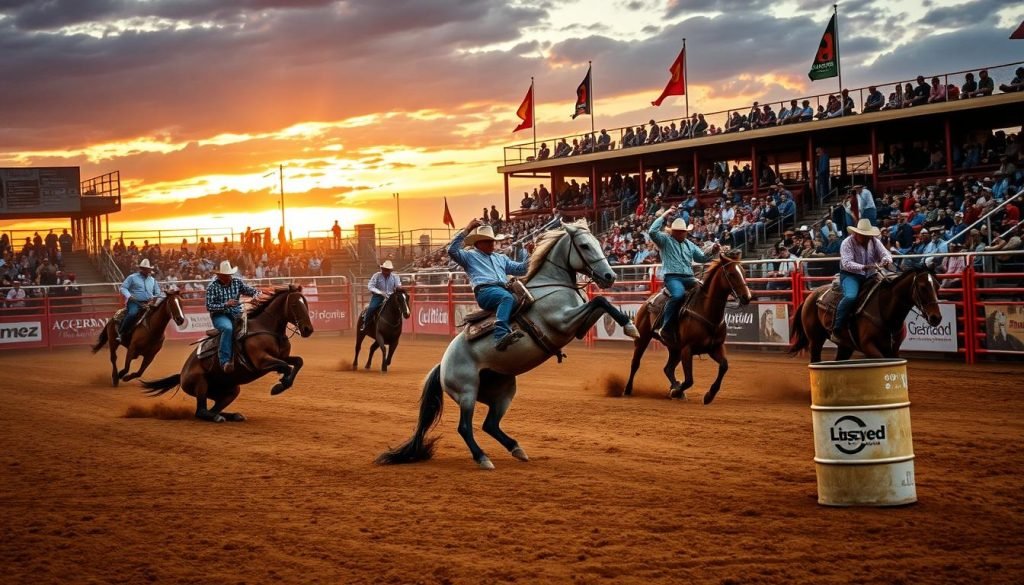
In addition, the rodeo community plays a vital role in promoting inclusivity. Women have been actively participating in this sport since the early 1900s, with events like barrel racing gaining prominence over the years. Organizations such as the Women’s Professional Rodeo Association have paved the way for female competitors, helping ensure that the cultural legacy continues to thrive.
As rodeo events continue to evolve, their impact on local communities and their significance as a reflection of cultural heritage remain unwavering. By maintaining these traditions, rodeos not only entertain but also educate younger generations about the values and histories that define their communities.
Empowering Equestrian Organizations
The Western Riding Association plays a crucial role in fostering strong relationships among various equestrian organizations. These collaborations enhance the reach and effectiveness of equestrian sports by pooling resources and sharing best practices. Together, different bodies can create more inclusive events and educational programs that welcome participants from diverse backgrounds.
Collaboration Among Equestrian Bodies
Partnering with numerous equestrian organizations cultivates opportunities for engagement and learning. This synergy leads to:
- Increased accessibility to events for diverse communities.
- Shared knowledge through joint workshops and clinics.
- Improved resource allocation for community outreach.
Promoting Diversity in Equestrian Sports
Emphasizing diversity in sports enriches the equestrian community. By ensuring that individuals from all genders, backgrounds, and experiences can participate, the Western Riding Association fosters a welcoming environment. Benefits of promoting diversity include:
- Broader perspectives that enhance creativity and problem-solving within the sport.
- A more vibrant community through the integration of various cultures and practices.
- Opportunities for everyone, including those with special needs, to experience the joys of equestrian sports.
| Aspect | Impact of Collaboration | Effect on Diversity |
|---|---|---|
| Event Accessibility | Increased participation from various sectors of the community | Encourages diverse participant demographics |
| Educational Programs | Shared resources enhance quality | Provides tailored programs for diverse needs |
| Advocacy for Inclusion | Strengthened community relationships | Promotes visibility for underrepresented groups |
Cowboy Culture Preservation through Equestrian Sports
The preservation of cowboy culture plays a crucial role in defining the identity of the American West. This heritage encapsulates values of hard work, self-reliance, and community, which are integral to the cowboy way of life. The Western Riding Association actively fosters cowboy culture preservation by promoting educational initiatives, competitions, and community outreach programs. These efforts highlight the historical significance of cowboy traditions while ensuring they remain relevant in modern contexts.
Historical Importance of Cowboy Culture
Cowboy culture has a rich history that dates back to the cattle drives and ranching practices of the 19th century. The first organized rodeo took place on July 4, 1883, in Pecos, Texas, marking the beginning of formal rodeo events. As a reflection of this heritage, branding emerged as a social event, reinforcing community bonds among ranchers. Notably, estimates suggest that one in four cowboys was Black, demonstrating the significant contributions of African American cowboys to this vibrant culture. With practices that include sustainable ranching and modern digital tools, the cowboy lifestyle continues to evolve, underscoring a commitment to tradition alongside innovation.
Modern-Day Advocacy for Cowboy Traditions
Today, advocacy for traditions is central to sustaining cowboy culture. The Western Riding Association collaborates with organizations like the National High School Rodeo Association (NHSRA), which awards over $1.9 million in scholarships annually to youth pursuing rodeo careers. Partnerships with companies like Priefert support the next generation of rodeo athletes, helping them cultivate skills essential for their craft. Through events such as the National High School Finals Rodeo, advocacy efforts celebrate the profound heritage of ranching and rodeo, offering a platform for young cowboys and cowgirls to showcase their talents and knowledge. By integrating educational programs into these events, the association ensures that young participants appreciate the importance and historical significance of their cowboy heritage, fostering a sense of pride and community within the equestrian sports arena.
Exploring Various Horseback Riding Disciplines
Horseback riding encompasses a rich tapestry of disciplines, each defined by distinct styles and methodologies. Understanding these horseback riding disciplines not only enhances a rider’s experience but also fosters appreciation for the sport as a whole. The Western Riding Association actively promotes an environment where riders can explore a variety of riding styles, catering to their unique interests and skill levels.
Types of Riding Styles
Different riding styles serve specific purposes and showcase unique techniques. Below is an overview of some popular horseback riding disciplines:
| Riding Discipline | Key Characteristics |
|---|---|
| Dressage | Known as “horse ballet,” emphasizes precision and elegance; recognized as an Olympic sport. |
| Show Jumping | Focuses on agility and precision, with penalties for knocking down obstacles. |
| Eventing | Combines dressage, cross-country jumping, and stadium jumping to test versatility. |
| Barrel Racing | Tests speed and precision around barrels; time is the determining factor. |
| Reining | Showcases agility through patterns of spins and stops, emphasizing control. |
| Cutting | Demonstrates a horse’s ability to separate cattle from a herd with precision. |
| Polo | A team sport requiring speed and teamwork to score goals by hitting a ball. |
How the Western Riding Association Facilitates Multi-Disciplinary Growth
The Western Riding Association plays a pivotal role in encouraging multi-disciplinary growth among riders. By offering various programs and resources, the association allows participants to branch out from their primary disciplines and develop a well-rounded skill set. This holistic approach to riding not only supports individual interests but also cultivates a greater understanding of equestrian practices. Riders are encouraged to attend workshops, participate in clinics, and engage in events that embrace different styles, fostering a community of diverse equestrian enthusiasts.
Educational Initiatives by the Western Riding Association
The Western Riding Association places a strong emphasis on educational initiatives aimed at nurturing the next generation of riders and trainers. By organizing various workshops and clinics, the association ensures that participants gain hands-on experience and valuable insights from skilled trainers. This commitment to education directly contributes to skill refinement and fosters a deeper understanding of the equestrian arts.
Workshops and Clinics
The Young Rider Program, serving those 25 years of age and younger, is a cornerstone of this educational effort. Divided into ten areas across the country, each region is overseen by a dedicated volunteer Young Rider Coordinator. Participants engage in a range of activities such as camps, clinics, and seminars, specifically targeting skills essential for competitive eventing. This program not only develops safe horse management practices but also promotes good sportsmanship and teamwork among young riders, encouraging a spirit of camaraderie.
Resource Availability for Riders and Trainers
In addition to workshops, the Western Riding Association prioritizes resource availability, providing a robust selection of materials that assist both aspiring and seasoned riders. Educational opportunities include coaching, course walks, and instructional videos such as “Your First Horseback Riding Lesson” and “Your First Horse Show.” Through platforms like the US Equestrian, a Lettering program engages junior high and high school students, guiding them toward structured equestrian education.
Furthermore, quarterly communications ensure that parents stay informed about their children’s progress and upcoming events, reinforcing the support network for young riders. The combination of structured programs and accessible resources serves to enhance the overall quality of education available in the equestrian world, setting participants up for success within the industry. For more detailed information on equestrian education and programs, visit this link.
Championing Horse Welfare Practices
The Western Riding Association prioritizes the health and safety of horses as integral to its mission. By fostering awareness around effective horse welfare practices, the organization sets a benchmark for all equestrians. Understanding equine health is not merely about basic care; it encompasses preventive strategies, nutrition, and regular veterinary visits designed to enhance the overall well-being of these majestic animals.
Commitment to Equine Health
To ensure horses thrive, the association emphasizes routine health assessments and embraces best practices in veterinary care. Participants are encouraged to:
- Recognize and respond to behavioral changes in their horses.
- Implement balanced diets tailored to the unique needs of each horse.
- Engage in regular movement and turnout to promote physical health.
A focus on equine health directly influences performance outcomes, aligning with the Western Riding Association’s goal of creating happy, fit horses. This commitment sets a standard for the community, as each member adopts practices that promote longevity in their equine partners.
Training Techniques that Prioritize Welfare
Integrating humane training techniques forms another cornerstone of the association’s approach. Fostering a positive training environment not only cultivates trust but also reduces the risk of physical and mental strain on horses. Recommended techniques include:
- Using reward-based training methods to encourage desired behaviors.
- Avoiding harsh corrections or physical punishment to maintain the horse’s confidence.
- Utilizing gradual exposure strategies to desensitize horses to new experiences.
Such techniques are critical in minimizing stress and promoting a strong bond between horse and rider. The Western Riding Association stands firm in its commitment to elevating horse welfare practices, ensuring that each equestrian can enjoy a fulfilling and enriching partnership with their horse.
Conclusion
The Western Riding Association is instrumental in the advancement of equestrian sports, successfully blending competitive excellence with a deep respect for cowboy culture. Through a variety of educational initiatives and high-profile competitions, this association fosters an environment where riders can thrive, develop their skills, and connect with their passion for horseback riding.
Moreover, by promoting inclusivity and prioritizing horse welfare, the Western Riding Association not only enriches the experience for aspiring riders but also safeguards the future of equestrian sports. The emphasis on maintaining cowboy traditions and incorporating a diverse range of disciplines ensures that the legacy of equestrian sports continues to flourish, inspiring new generations.
As we reflect on the achievements of the association, it’s clear that their unwavering dedication to promoting cowboy culture and enhancing equestrian sports advancement remains a cornerstone of the riding community, preserving a vibrant and exciting atmosphere for all involved.
FAQ
What is the mission of the Western Riding Association?
The Western Riding Association aims to elevate the standards and resources available to riders, trainers, and enthusiasts while promoting inclusivity, educational opportunities, and the preservation of cowboy culture.
How does the Western Riding Association promote equestrian sports?
The association promotes equestrian sports through organizing competitions, workshops, and educational programs that showcase skills in various horseback riding disciplines, including Western Dressage.
What role do horse show competitions play in rider development?
Horse show competitions serve as a critical platform for skill development by offering structured events that cater to varying skill levels and providing feedback for improvement.
How does the Western Riding Association support diversity in equestrian sports?
The association actively promotes diversity by ensuring that equestrian sports are accessible to individuals from different backgrounds, genders, and riding experience levels.
Can you explain Western Dressage and its significance?
Western Dressage combines classical dressage principles with Western riding techniques, focusing on a partnership between horse and rider that enhances agility and promotes a harmonious riding experience.
What are the key techniques in Western Dressage?
Key techniques include effective use of aids, deep engagement of the hindquarters, and maintaining a supple topline to achieve optimal horse performance.
Why are rodeo events important to cowboy culture?
Rodeo events are vital for preserving and celebrating cowboy culture as they showcase traditional skills, bravery, and community heritage, thereby promoting regional pride.
How does the Western Riding Association ensure horse welfare?
The association prioritizes horse welfare by advocating humane training practices, promoting equine health, and offering guidelines on recognizing distress in horses.
What educational initiatives does the Western Riding Association offer?
The association provides workshops, clinics, and access to a wealth of resources on training methods, competition guidelines, and horse welfare to empower riders at all skill levels.
How can equestrian organizations collaborate with the Western Riding Association?
Equestrian organizations can collaborate by joining forces for events and educational programs that promote inclusivity and enhance the reach and effectiveness of equestrian sports.